|
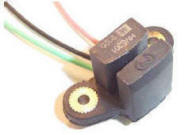
Applications within the automotive, aerospace and industrial electronics. Vane Sensors, Vane Switches, Voltage Sensors, Voltage Switches, Gear Tooth Sensors, Gear Tooth Switches, offering:
-
direction detection
-
linear sensing
-
speed sensing
-
position sensing
-
gear-tooth sensing
-
contactless switching
Our sensors & devices are packaged to be immune to dust, dirt, and water. Hall effect devices are the leading position sensors on the market.
Click here to buy our hall effect switches. |

Technical Translation Services
-
Industrial Translation
-
Marketing Translation
-
Legal Translation
-
Technical Translation
-
Business Translation
-
Engineering Translation
-
Certified Translation
-
Notarized Translation
-
Native Translators
-
Rare Languages Available
-
Rush Jobs Welcome
-
All Languages available
Know more about our translation services
For translation quotations, please send us an email at [email protected]
|
Hall effect and Current Measurement
Discovered in 1879 by Edwin H. Hall (1855 – 1938), the Hall field results from the force exerted by the magnetic field on the moving particles of the current. The Hall effect can be used to measure certain properties of current carriers as well as to detect the presence of a current on a magnetic field.
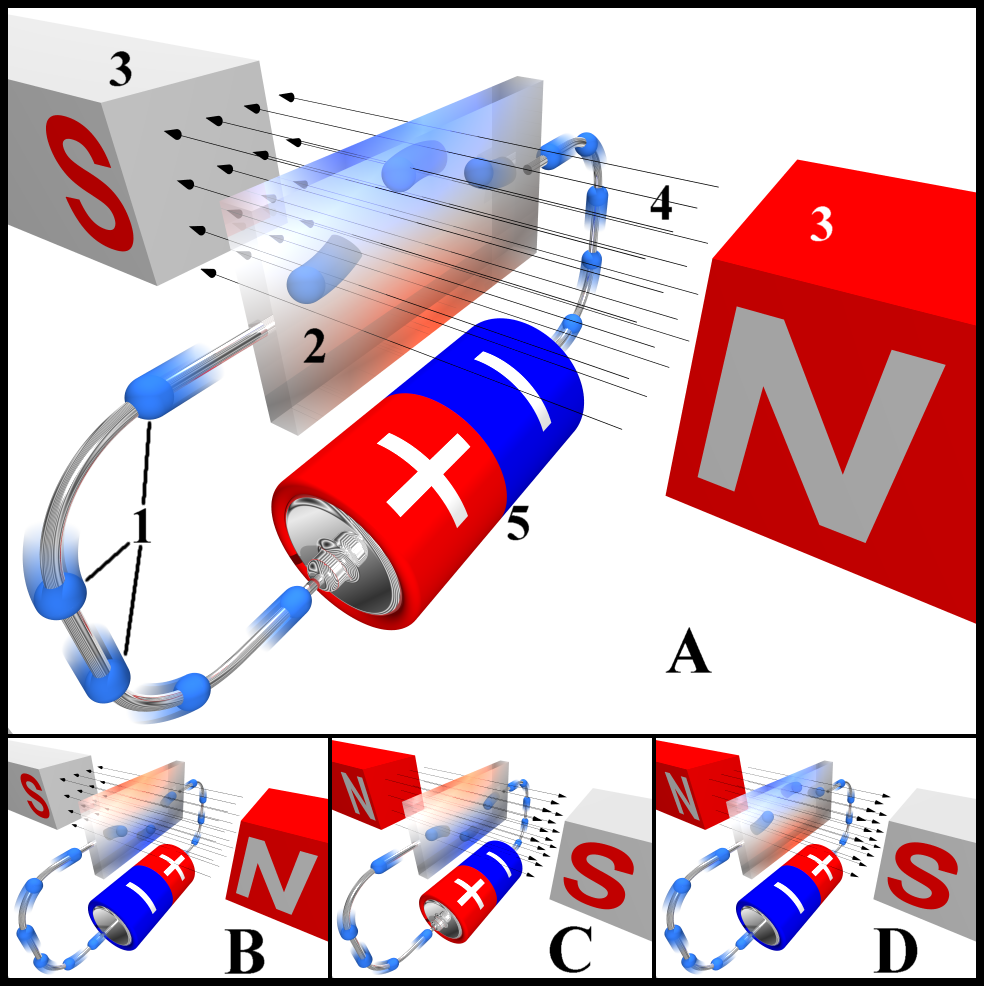 Hall effect Sensor Diagram Hall effect Sensor Diagram
- 1.Electrons (not conventional current)
- 2. Hall element / sensoring device
- 3. Magnets
- 4. Magnetic field
- 5. Power source
In “A”, the Hal l element takes on a negative charge at the top edge (blue color) and positive at the lower edge (red color). In “B” and “C”, either the electric current or the magnetic field is reversed, causing the polarization to reverse. Reversing both current and magnetic field (“D”) causes the Hall element to again assume a negative charge at the upper edge.
source: Wikipedia
BB Automacao offers quality and competitive priced Hall Effect Sensors and Hall Effect Switches. Our lines include: hall effect sensors, vane switches,
hall effect senders, and professional translation services. Our translation services are tailored to manufacturers, exporters, and other companies conducting business abroad. Vane Sensors are direct replacement for the following Hall Effect Sensors: Siemens / Honeywell HKZ101, HKZ101S, HKZ121, HME301, 2AV54, 2AV16A, 2AV51A, 2AV56, 2AV63, HME56, 2AV31E-J, HME2000, and other parts manufactured by Siemens, Honeywell, MitsubishiAMS, and others. BB Automacao Vane Sensors are also used as a replacement for the following market products: Audi Hall Sender, Bmw Hall Sender, Ford Hall Sender,
Gm Hall Sender, Honda Hall Sender, Hyundai Hall Sender, Mercedes Benz Hall Sender, and Volvo Hall Sender.
|
|
|
|
In stock! The best hall vane sensors in the market for the most competitive price.
Learn more here
|
Replaces HKZ101, HKZ101S, HKZ121, 2AV54,2AV16A, 2AV51A, 2AV56, 2AV63, 2A31E-J from Siemens and others.
|
|